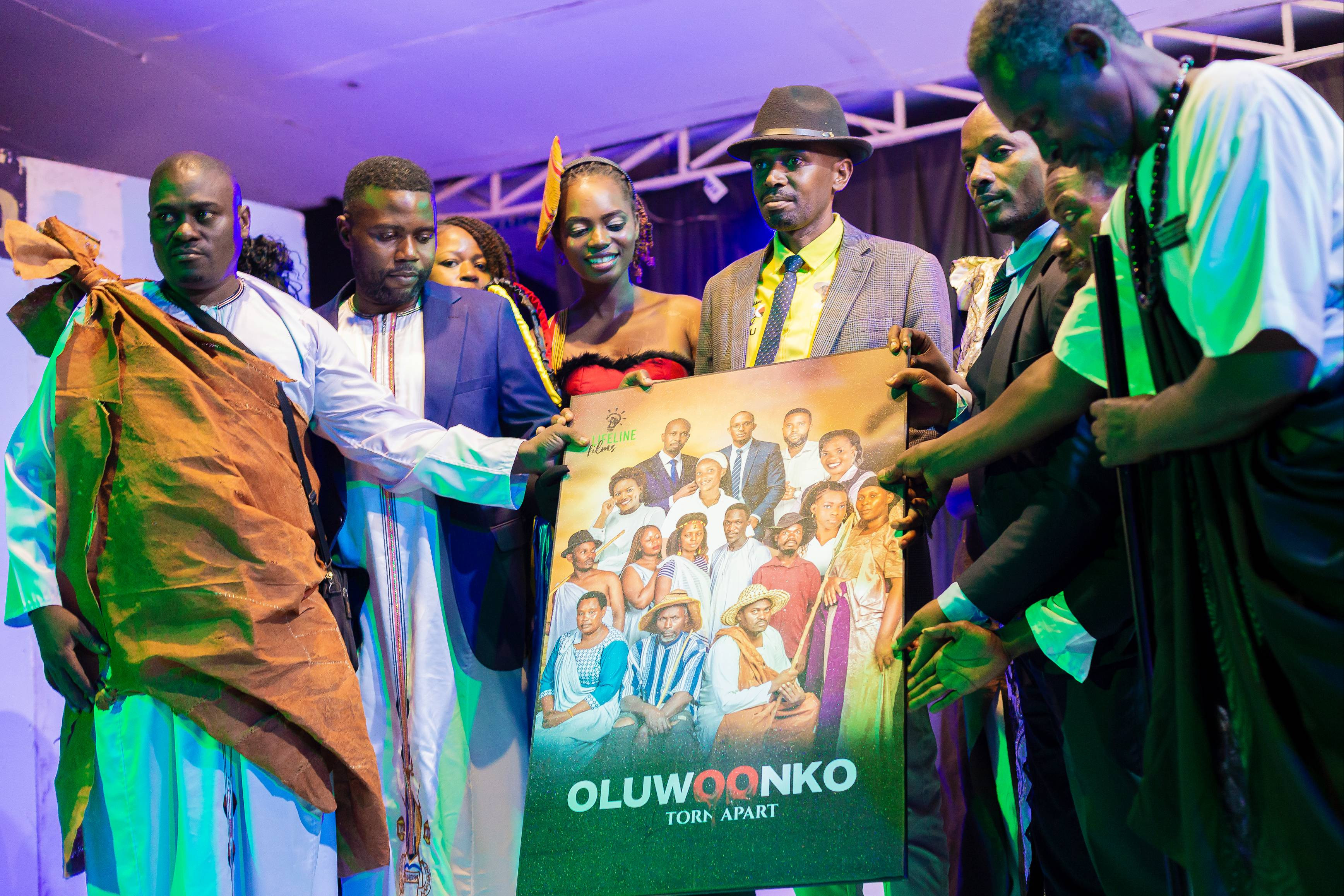
Torn Apart (Oluwoonko): A Premiere That Left Us Thinking, Feeling, and Questioning
On 13th December, we walked into the premiere of Torn Apart (Oluwoonko) expecting a film. What we encountered instead was a conversation—one that lingered long after the lights came back on.
From the opening frames, the atmosphere in the room shifted. There was a quiet attentiveness, the kind that happens when a story feels uncomfortably close to home. Torn Apart (Oluwoonko) does not announce its message loudly; it invites you in gently, then asks you to sit with difficult truths many of us have grown up around.

The story unfolds through the love between Kasule, a Muganda man, and Owinenza, a Munyarwanda woman. Their relationship begins simply—two people drawn to each other—but slowly becomes burdened by voices not their own: family expectations, cultural suspicion, and inherited tribal bias. Watching their love strain under this weight felt painfully familiar. In the audience, you could sense recognition—small shifts, quiet sighs, moments of stillness.

Under the direction of Mukiibi Bright, the film allows emotion to breathe. Silence is used intentionally. A look lingers longer than expected. A pause speaks louder than words. This approach made the pain feel real—not dramatized, not exaggerated, just true. The camera never rushes the characters, and in doing so, it doesn’t rush the audience either.
The screenplay, written by Mukose Moses, feels rooted in lived experience. The conversations echo ones many Ugandans have heard in their homes or communities but rarely confront openly. There is no attempt to soften the reality of tribal prejudice; instead, the film presents it honestly and then asks a simple but difficult question: What does it cost us to hold onto division?

Performances carried the weight of this question with sincerity.
Bengo Ephraim delivers Kasule with quiet restraint—his conflict visible even when he says very little. Kayeesu Lydia brings Owinenza to life with emotional depth, balancing vulnerability and strength in a way that feels deeply human. The supporting cast grounds the story further, reflecting generational tensions and cultural realities without turning any character into a caricature.

One of the most powerful choices in Torn Apart is its use of language. Moving between Luganda, Kinyarwanda, Lusoga, Runyankole, and English, the film mirrors Uganda as it truly is—diverse, layered, interconnected. Rather than dividing the story, the languages knit it together, reinforcing the idea that difference does not have to mean distance.

As Cinema UG, attending this premiere reminded us why stories like this matter. Torn Apart (Oluwoonko) is not trying to provide easy answers or neat resolutions. It is asking audiences to reflect, to question what we have inherited, and to consider unity not as a slogan but as a daily, sometimes uncomfortable choice.
When the credits rolled, the applause felt less like celebration and more like acknowledgment—of courage, of honesty, of a film brave enough to look at us and ask us to do better.
Torn Apart (Oluwoonko) is more than a film. It is a mirror, a conversation starter, and a quiet call to empathy—one that deserves to be seen, discussed, and carried forward.